Galactica
Architectual Visualization Game Engine
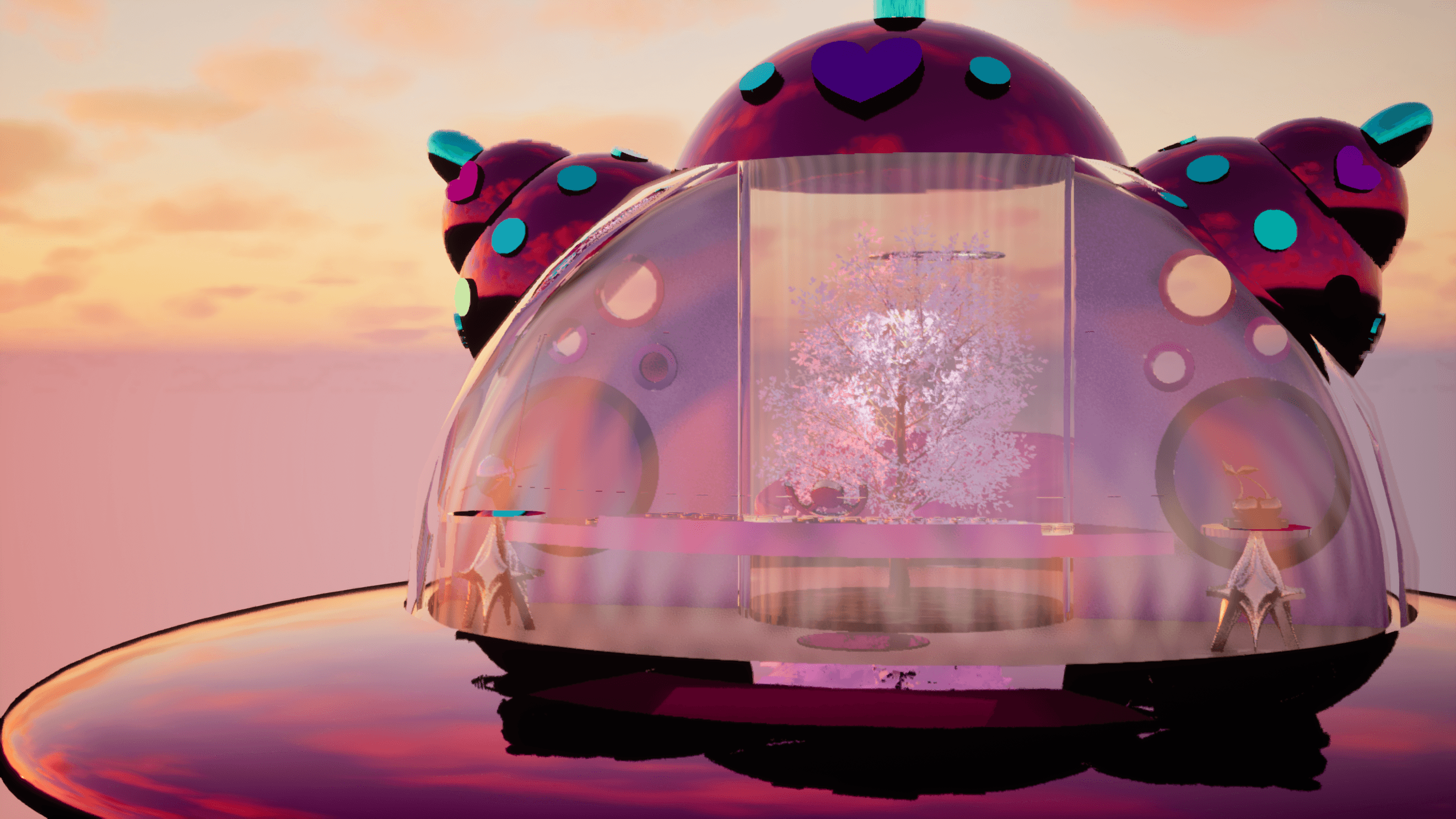
Welcome Aboard Galactica
Galactica is a retro-futuristic narrative environment that reimagines the visual language of science fiction through a fully explorable intergalactic spacecraft. Developed as a real-time walkthrough in Unreal Engine, the project blends feminine aesthetics, environmental storytelling, and interactive spatial design to challenge the cold, industrial conventions traditionally associated with spaceship interiors. Designed for an extraterrestrial civilization rather than humans, the environment invites viewers to experience a world shaped by curiosity, exploration, and preservation.
The Vision
Galactica challenges the traditional language of spacecraft design by imagining a future where technological innovation and expressive aesthetics coexist. Rather than relying on rigid industrial forms and masculine visual cues, the project embraces soft geometry, vibrant color, and retro-futuristic influences to create a civilization that values beauty, curiosity, and life as much as technological progress.




the origins
The project began by questioning why fictional spacecraft almost always feel cold, industrial, and masculine. While these aesthetics often stem from the materials required to survive in space, they have also become an expected convention within the genre.
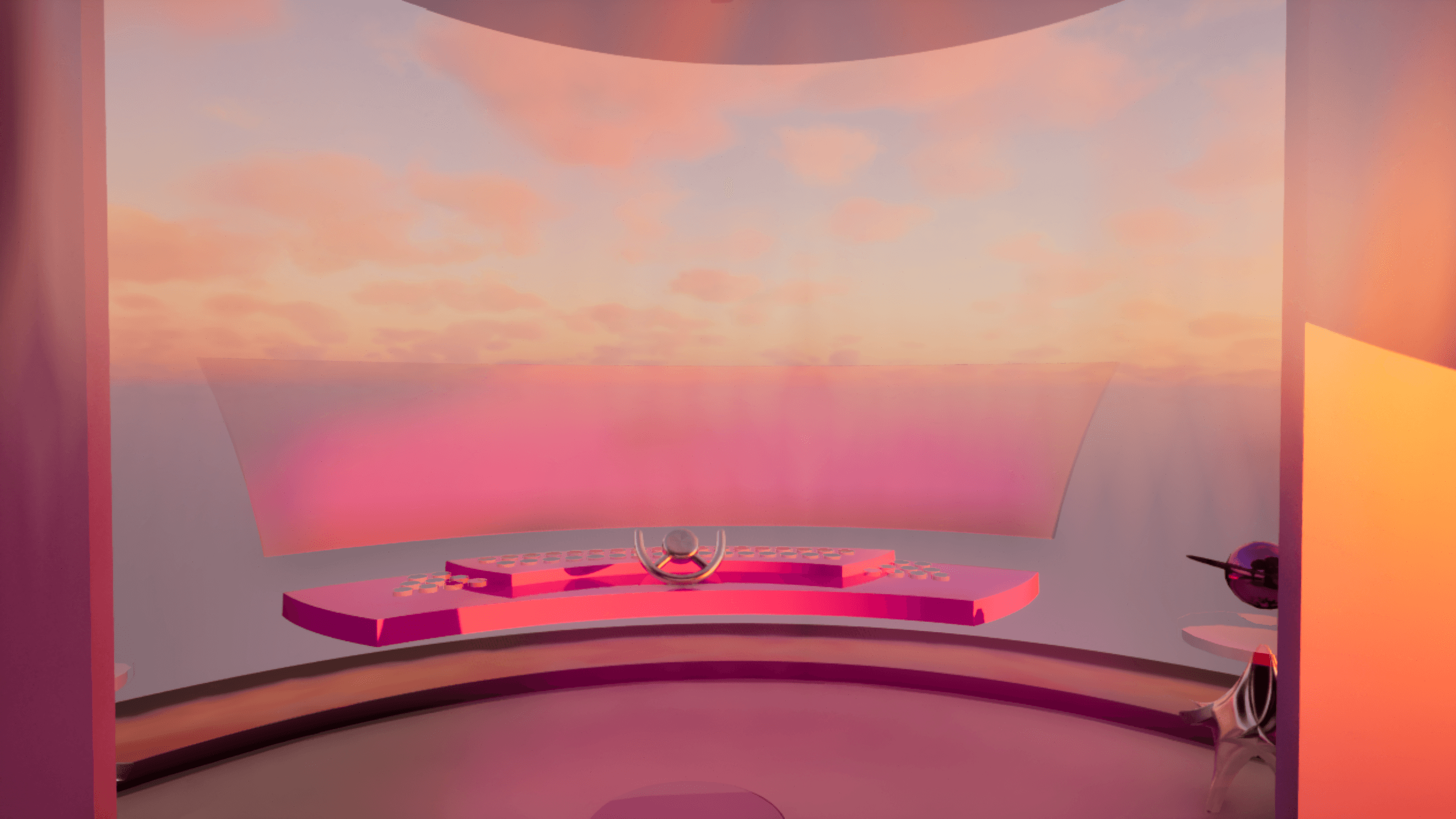
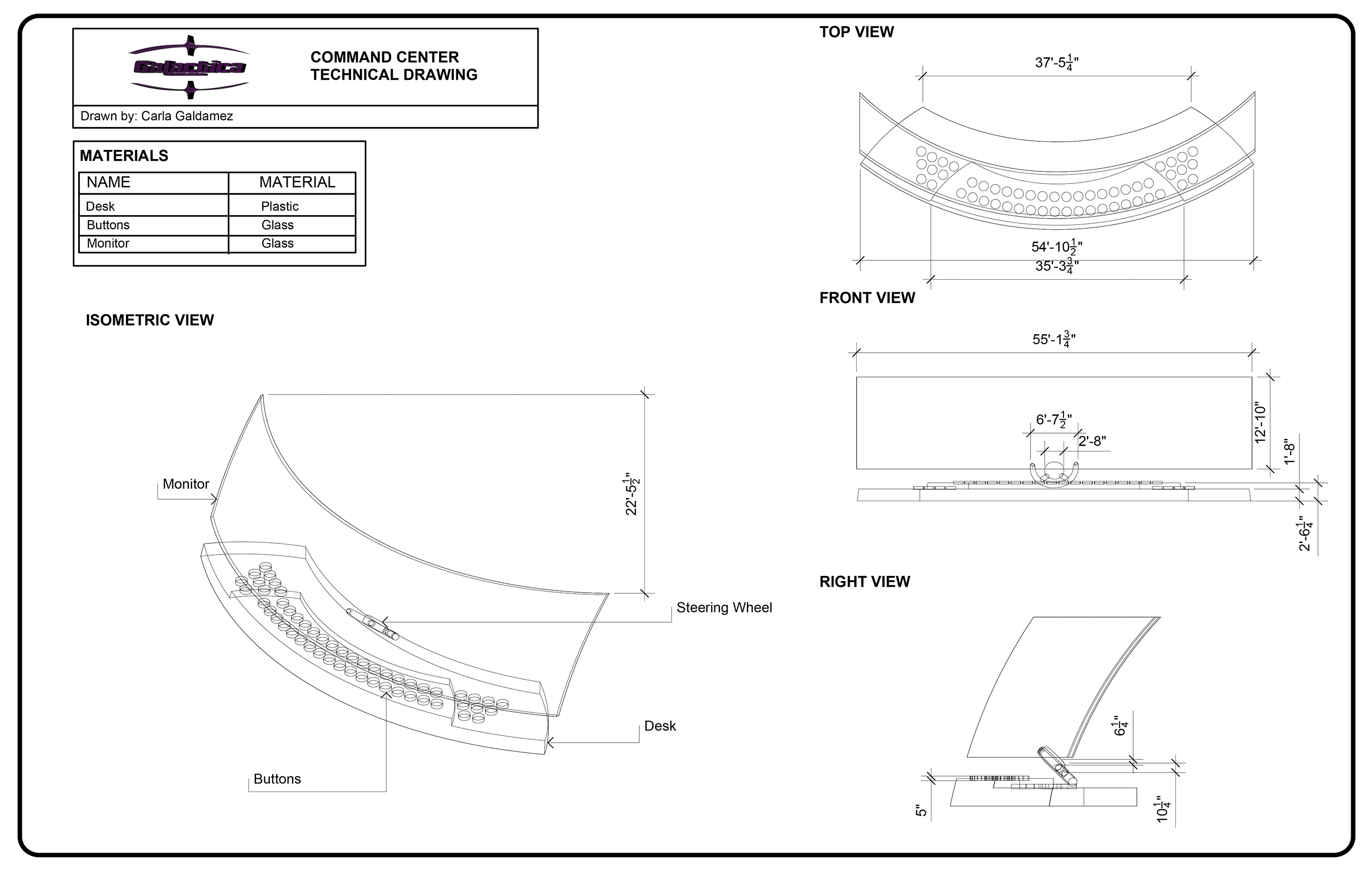
The earliest sketches focused on the spacecraft’s overall form, treating it much like an automobile, where visibility became essential. Large viewing areas and panoramic sightlines established a strong relationship between the interior and the surrounding universe while laying the foundation for the softer retro-futuristic language that would define the project.
Experience Goals
The objective was to create an environment that could be experienced rather than simply viewed. Every space was designed to reward exploration, encouraging users to uncover the story naturally through movement instead of relying on predetermined viewpoints.
Success meant creating a world that remained visually engaging from every perspective while balancing believable architecture with environmental storytelling, allowing the narrative to emerge through exploration rather than explanation.
Target Audience
Galactica was created for audiences drawn to imaginative worldbuilding, science fiction, and immersive digital environments. More specifically, it explores a visual language that has been largely overlooked within the genre by combining retro-futuristic architecture with a distinctly feminine aesthetic.
The project appeals to viewers who appreciate environmental storytelling and enjoy discovering narratives through exploration rather than exposition. Every space invites curiosity, rewarding those who slow down, observe details, and uncover the values of the civilization through the architecture itself.




Challenge Rethinking the familiar
Designing for a civilization with no human references required constantly questioning familiar assumptions. My earliest concepts naturally borrowed from things I already understood, including recreational vehicles, traditional living spaces, and enclosed sleeping chambers. Although these ideas solved functional problems, they never truly felt extraterrestrial.
The breakthrough came when I realized I had been designing around our differences instead of our similarities.
Rather than trying to imagine how extraterrestrials lived, I focused on something universally familiar: the experience of traveling. Curiosity, collecting meaningful discoveries, and carrying pieces of the places that shape us are behaviors that transcend species.
That shift transformed the spacecraft from a vehicle into a living archive of exploration. From that point forward, every architectural decision reflected the values of its inhabitants rather than simply their technology. Floating furniture embraced life beyond gravity, Earth-inspired artifacts became treasured discoveries, and even the central habitat evolved from an idea rooted in containment into a space dedicated to preservation.
The Heart of the Ship
That philosophy finds its clearest expression at the center of Galactica.
Early concepts included enclosed sleeping chambers inspired by the containment pods often seen in science fiction films. As the project evolved, I realized those spaces reflected a human instinct to isolate unfamiliar life rather than care for it. Instead of abandoning the concept, I transformed it into a protected habitat centered around a living tree from Earth.
Unlike the rest of the spacecraft, this is the only space where gravity mirrors Earth’s natural conditions, allowing the tree to remain rooted in grass while lighting, airflow, and environmental systems sustain it throughout the journey.
The tree serves as the symbolic heart of the spacecraft, representing the living ecosystems that make life possible. While humanity continues searching beyond Earth for signs of life elsewhere in the universe, Galactica imagines a civilization that reminds us of the extraordinary ecosystems that have always existed on our own planet.
Meet the Explorer
Galactica was never intended to be an empty environment. To better understand how the architecture would be experienced, I designed one of the extraterrestrial travelers this spacecraft was built for. Developed using the same retro-futuristic language, soft forms, and expressive design principles found throughout the environment, the character reinforces the identity of the civilization while providing a sense of scale, culture, and life within the spacecraft.
Although presented as its own design project, the character serves as a natural extension of Galactica’s worldbuilding.
Competition | Design Language
Science fiction spacecraft are often characterized by industrial realism, angular construction, and restrained color palettes. Galactica intentionally expands that visual language by demonstrating that futuristic architecture can remain technically believable while embracing softer forms, expressive color, and a more inclusive aesthetic.
The result is an environment that feels optimistic, elegant, and unmistakably original without sacrificing the credibility of its futuristic setting.
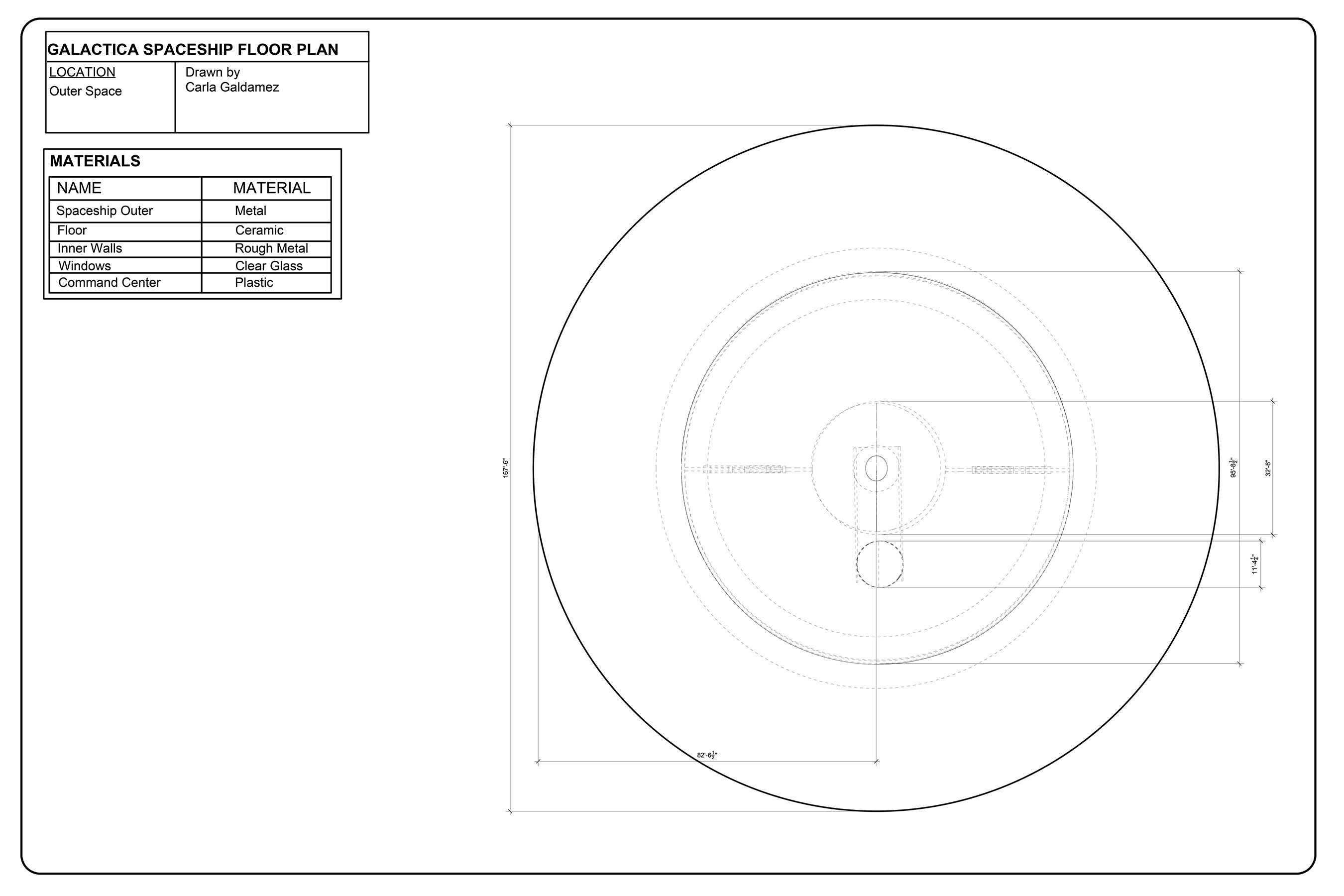
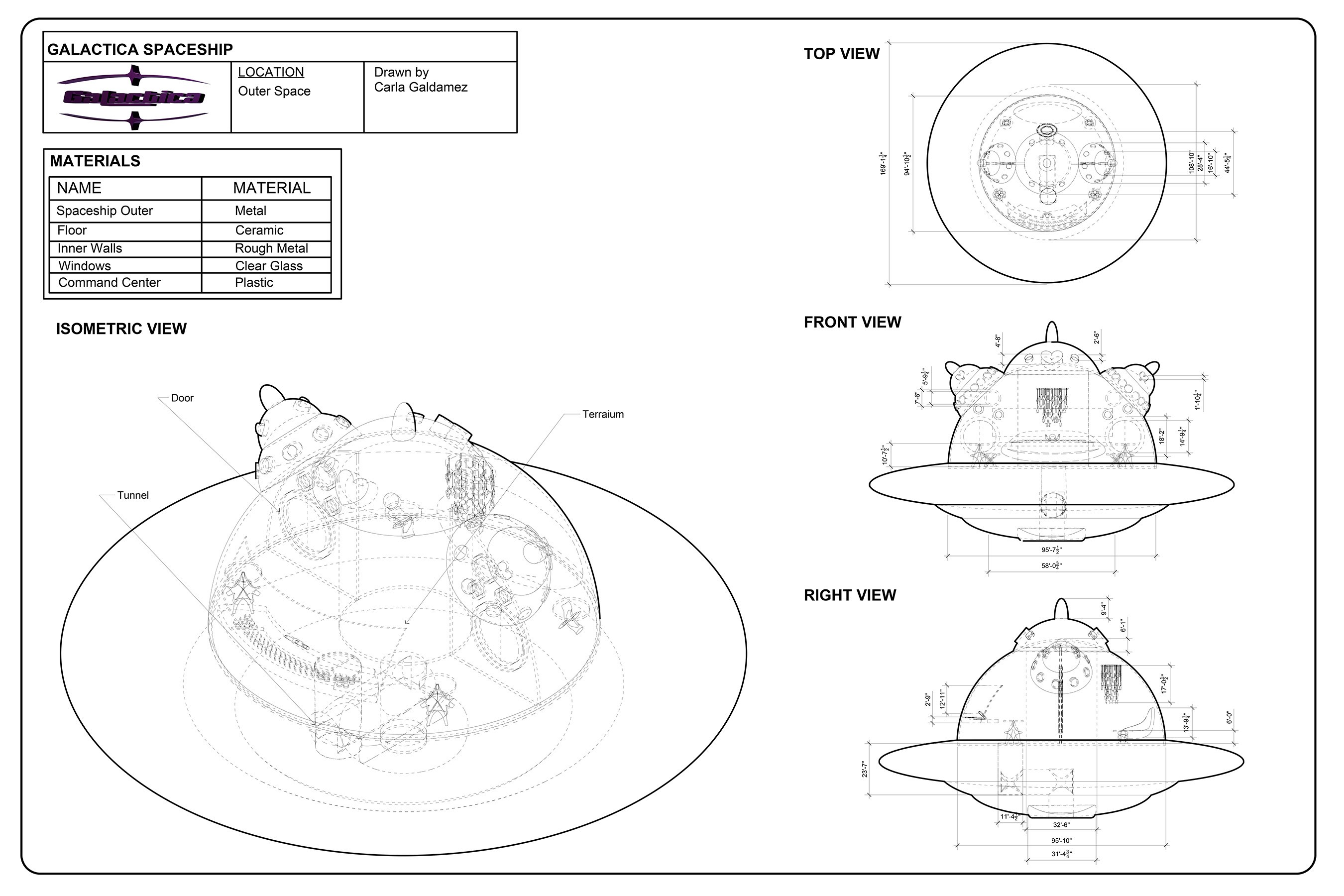


Mood | Visual Direction
Galactica balances industrial materials with rounded geometry, vibrant accents, and carefully integrated natural elements to create a futuristic environment that feels sophisticated, inviting, and distinctly its own.
Insight | A shift in Perspective
Galactica taught me that compelling worldbuilding does not begin by inventing what is different. It begins by understanding what is universal, then using those shared experiences to build believable worlds.
By grounding an imagined civilization in familiar behaviors such as curiosity, exploration, and preservation, the environment became more than a futuristic setting. It became a story that can be understood through architecture alone.